In today’s technology-driven world, devices and equipment are exposed to various environmental factors like dust, water, extreme temperatures, and corrosive chemicals. Such exposure can lead to serious damage, malfunction, or reduced lifespan of these devices.
IP enclosures (Ingress Protection enclosures) are essential in safeguarding these devices, especially in industrial or outdoor settings. In this article, we will explore the importance of IP Enclosures, how they work, and the benefits they provide for protecting devices from environmental damage.
What Are IP Enclosures?
IP enclosures are protective casings that prevent environmental elements such as dust, water, and other particulates from damaging sensitive electronic devices.
The IP code, or Ingress Protection rating, is a standard established by the International Electrotechnical Commission (IEC).
It signifies the level of protection the enclosure offers against the intrusion of foreign objects (dust) and liquids (water).
The IP rating consists of two digits:
- The first digit refers to protection against solids (such as dust).
- The second digit refers to protection against liquids (such as water).
For instance, an IP68 enclosure provides complete protection from dust and can be submerged in water for extended periods without causing damage.
Key Components of IP Enclosures
IP enclosures consist of various components designed to ensure a sealed environment for the equipment within. The primary materials used for these enclosures include metal, plastic, and fiberglass, with each material offering unique advantages depending on the environment in which the enclosure will be used.
1. Gaskets and Seals
The critical element of IP enclosures is the gasket or seal placed around the edges of the enclosure. These gaskets ensure that no dust or water can penetrate the inside of the enclosure. The type of gasket material can vary based on the enclosure’s intended use, such as silicone rubber for high-temperature environments or neoprene for chemical resistance.
2. Latching Mechanisms
Latching mechanisms help securely close the enclosure and maintain its IP rating. The design of the latch determines the strength of the seal and how easy it is to open the enclosure for maintenance or repair.
3. Ventilation
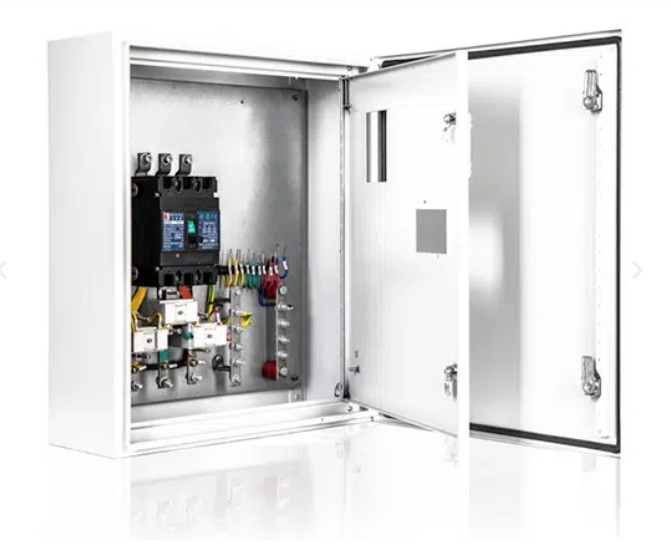
While IP enclosures are sealed against dust and water, they may need ventilation to regulate the internal temperature. Special vents allow air exchange without compromising the enclosure’s IP rating. This is especially important for equipment that generates heat, like servers or electrical control panels.
The Role of IP Ratings in Device Protection
The IP rating of an enclosure indicates the level of protection it offers against environmental damage. The first digit (solid protection) ranges from 0 to 6, where a rating of 6 means the device is completely protected from dust.
The second digit (liquid protection) ranges from 0 to 9, where a rating of 9 means the device is protected from high-pressure water jets and immersion.
Common IP Ratings and Their Applications
- IP65: Provides protection from dust and low-pressure water jets. Suitable for outdoor lighting and industrial controls.
- IP67: Offers protection from dust and temporary water immersion. Ideal for outdoor cameras and sensors.
- IP68: Ensures total protection from dust and long-term immersion in water. Used for underwater cameras, marine equipment, and outdoor monitoring systems.
How IP Enclosures Protect Devices from Environmental Factors
Environmental conditions can severely impact the performance and longevity of sensitive electronics. Here’s how IP enclosures safeguard your devices:
1. Protection from Dust and Debris
Dust and other fine particles can cause short circuits or overheating in sensitive electronics. IP enclosures with high solid protection ratings (like IP6X) completely block dust from entering, preventing device failure.
2. Water Resistance and Waterproofing
Many industrial and outdoor devices are exposed to rain, splashes, or even submersion in water. IP-rated enclosures ensure that water cannot seep inside the device.
Devices like outdoor routers, control systems, and telecommunications equipment benefit from water-resistant enclosures (IP66, IP67).
3. Resistance to Corrosive Chemicals
In industries such as pharmaceuticals, chemicals, and manufacturing, devices may be exposed to corrosive liquids or gases.
IP enclosures with high chemical resistance, like fiberglass or stainless steel enclosures, offer protection against such harsh environments.
4. Thermal Regulation
High temperatures can cause electronic devices to overheat, leading to performance degradation. IP Enclosures often include ventilation or heat sinks to manage temperature without compromising the enclosure’s seal.
Additionally, some enclosures are designed with materials that provide thermal insulation, protecting devices from extreme heat or cold.
Benefits of Using IP Enclosures
1. Increased Device Longevity
By protecting devices from environmental damage, IP enclosures help extend their lifespan. Whether shielding from dust, moisture, or extreme temperatures, IP enclosures reduce the need for frequent repairs or replacements.
2. Compliance with Industry Standards
Many industries require equipment to meet specific IP standards to ensure operational safety and reliability.
For example, electrical panels in hazardous environments must comply with IP ratings to prevent electrical hazards. By using IP enclosures, businesses can ensure they meet regulatory requirements and avoid fines or safety issues.
3. Cost Savings
IP enclosures can reduce the cost of maintaining equipment by minimizing damage from environmental exposure. Fewer repairs and replacements result in lower operational costs, particularly in industries with high equipment turnover.
4. Adaptability to Varied Environments
Whether you’re in an industrial, commercial, or residential setting, IP enclosures can be tailored to suit specific environmental challenges.
From protecting outdoor security cameras from rain to safeguarding control panels in dusty factories, IP enclosures offer versatility and reliability.
Choosing the Right IP Enclosure for Your Application
Selecting the right IP enclosure for your devices depends on the environment and the level of protection required. Consider the following factors:
- Location: Is the equipment used indoors or outdoors? Outdoor applications typically require higher IP ratings for protection from rain, dust, and other external elements.
- Temperature: Consider the operating temperature range of your devices and ensure the enclosure can provide adequate heat dissipation or insulation.
- Exposure to Chemicals: If the device is in a chemical-rich environment, choose an enclosure material resistant to corrosion.
- Ingress Protection Rating: Based on the environment, determine whether your device requires high solid or liquid protection (e.g., IP65, IP68).
Conclusion
IP enclosures are vital for protecting devices from environmental damage, especially in harsh or outdoor settings. They ensure the longevity, functionality, and safety of electronics by providing a sealed barrier against dust, water, chemicals, and temperature fluctuations.
By choosing the appropriate IP rating and material for your enclosure, you can safeguard your devices, reduce operational costs, and meet industry standards.
Whether you’re installing a security camera, an industrial control panel, or a weather sensor, an IP enclosure is your best defense against the elements.