In an era defined by disruption, communication is being reclassified. What was once treated as an operational tool is now recognized as critical infrastructure—on par with power, safety systems, and physical security. Across industries, organizations are reassessing how resilient their communication truly is when conditions deteriorate and primary networks fail.
For CFOs, COOs, and enterprise risk leaders, dependable two-way communication has become a strategic asset rather than a line-item expense. Industrial radios, in particular, are gaining renewed attention as organizations seek verifiable reliability, defensible compliance, and measurable return on investment. The question is no longer whether communication works in ideal conditions, but whether it holds under stress.
Resilience Is Measured When Systems Break
Operational resilience has matured beyond policy frameworks and audit checklists. Today, it reflects an organization’s real-world ability to maintain control during disruption—whether caused by extreme weather, infrastructure outages, workforce incidents, or supply chain volatility.
In these moments, communication is often the first capability tested and the last one standing. When cellular networks degrade or digital platforms become unavailable, frontline teams rely on industrial radios to coordinate response, protect personnel, and keep operations moving. A failure at this level does not merely slow productivity—it multiplies risk.
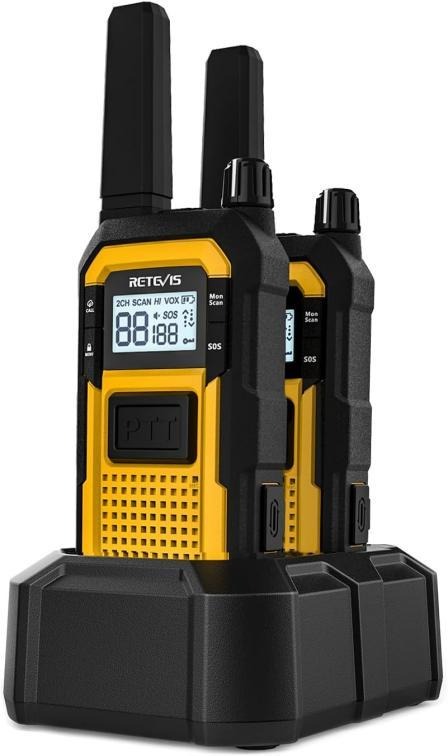
Recognizing this vulnerability, RETEVIS has reframed the role of industrial two-way radios within enterprise risk management. Rather than competing on features alone, the company is advancing a structured reliability model designed to help executives evaluate communication as a controllable operational risk and a contributor to ESG performance, particularly in worker safety and duty of care.
Turning Reliability into a Risk Management Metric
Communication breakdowns rarely remain isolated incidents. They cascade into inefficiencies, safety exposures, regulatory scrutiny, and reputational damage. Yet historically, communication equipment has been evaluated without the same rigor applied to other critical assets.
To address this gap, RETEVIS has introduced a tiered reliability framework that aligns communication performance with business impact. This approach enables organizations to match their communication investment to the operational and environmental risks they actually face.
Tier One: Controlling Wear, Downtime, and Ownership Cost
The first tier applies to high-activity environments such as logistics centers, educational campuses, hospitality operations, and facilities management. In these settings, devices are handled constantly, exposed to drops, and used across long shifts.
Here, reliability directly influences total cost of ownership. Durable equipment reduces breakage, extends replacement cycles, and limits support intervention. The financial return is immediate: fewer disruptions, predictable asset performance, and reduced operational friction.
Tier Two: Protecting Continuity in Challenging Conditions
Organizations operating outdoors or within complex industrial facilities face environmental threats that quickly expose equipment weaknesses. Heat, cold, moisture, dust, and corrosive conditions can turn communication devices into points of failure.
This tier focuses on environmental resilience. For sectors such as utilities, transportation, food processing, and infrastructure services, reliable communication preserves continuity during adverse conditions. The business value is measured in avoided shutdowns, maintained service commitments, and reduced exposure during environmental stress events.
Tier Three: Eliminating Catastrophic Risk Exposure
In high-risk industries—including energy, chemicals, mining, and heavy manufacturing—communication reliability carries legal and existential weight. Equipment operating in explosive or volatile environments must meet certified intrinsic safety requirements.
At this level, the investment case is unambiguous. Compliance protects insurance coverage, limits liability, and safeguards both people and capital assets. The consequences of failure extend far beyond operational loss, making reliability a non-negotiable requirement rather than a procurement preference.
Why Verifiable Standards Matter to Executives
A critical differentiator in this approach is the emphasis on independent, documented testing. RETEVIS aligns its industrial radio lines with MIL-STD-810H environmental testing, a recognized benchmark for performance under stress.
For executive stakeholders, this transforms durability into a defensible risk-control measure. Verified testing supports procurement transparency, strengthens audit readiness, and provides assurance that communication systems will perform predictably in adverse conditions. In an environment of increasing regulatory scrutiny, this level of validation matters.
Moving Communication Out of the Cost Center
As organizations face tighter regulations and greater operational volatility, cost-focused purchasing decisions increasingly carry hidden risks. Equipment failures introduce indirect costs—lost productivity, safety incidents, compliance challenges, and reputational damage—that far outweigh upfront savings.
By combining a structured reliability framework with industrial-grade hardware, RETEVIS is repositioning communication systems as strategic infrastructure. This shift allows leaders to connect communication investment directly to outcomes such as uptime, workforce protection, and financial stability.
The Executive Conclusion
Silence is expensive.
When communication fails, risk accelerates. When it holds, operations stabilize, incidents de-escalate, and resilience becomes measurable rather than theoretical. As enterprises rethink what truly underpins continuity, reliable industrial communication is emerging as a foundational requirement.
For organizations committed to protecting people, assets, and profitability, investing in communication reliability is no longer optional—it is a board-level responsibility.