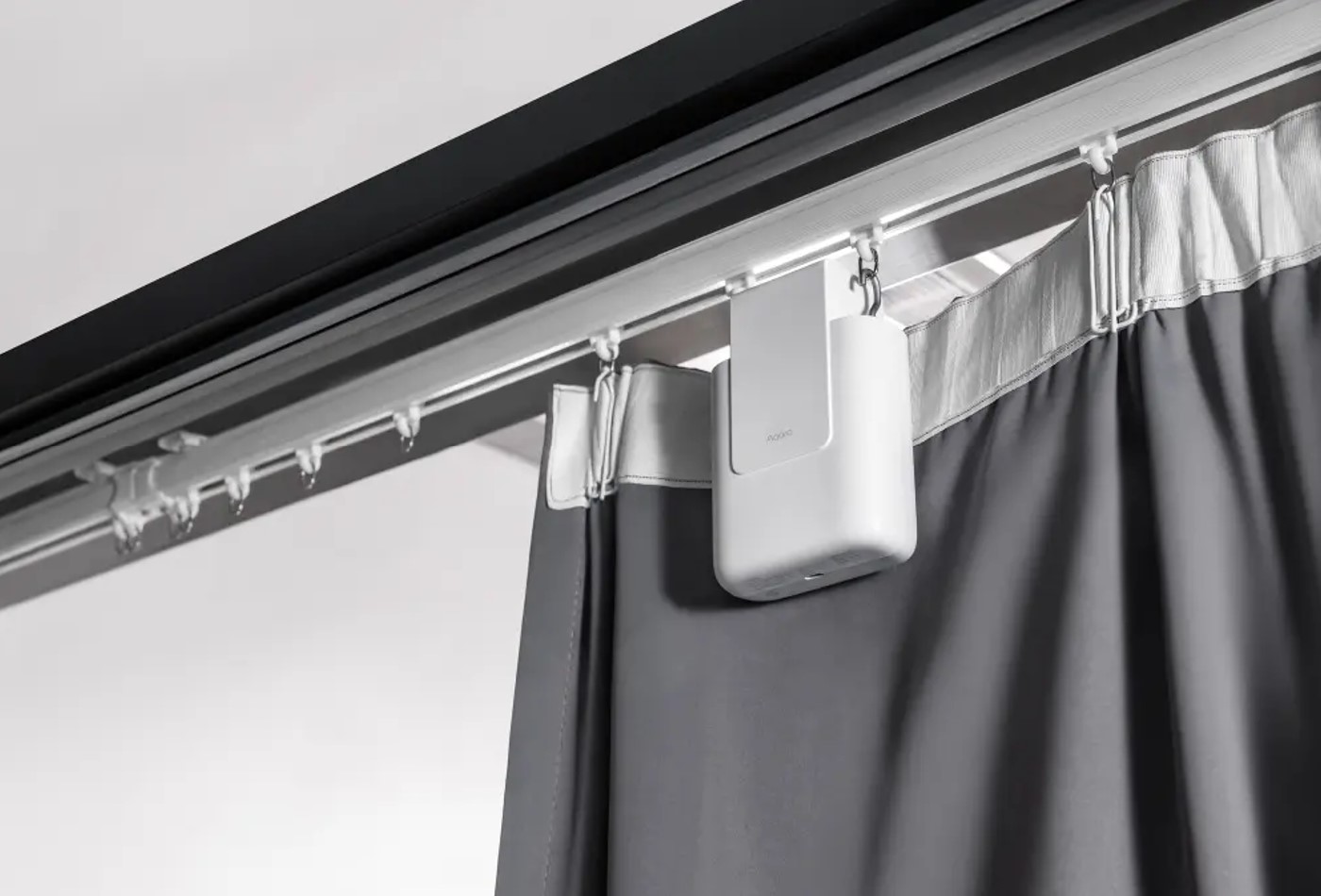
In today’s technologically advanced world, smart curtains are more than just a stylish addition to your home—they offer significant enhancements to privacy and security. As urban environments become more densely populated and home security concerns grow, having effective solutions for safeguarding your living space is crucial. Smart curtains, with their advanced featues, provide an elegant and practical approach to addressing these needs.
By integrating smart curtains into your home, you gain the ability to control your window treatments remotely, allowing for precise management of visibility from the outside. Automated schedules can ensure that your curtains close at specific times, such as when you’re away, enhancing your home’s security by making it less predictable. Additionally, many smart curtains come equipped with sensors and connectivity options that can be integrated with security systems for real-time alerts and adjustments.
In Abu Dhabi, where privacy is a paramount concern and security is a top priority, Curtains Abu Dhabi offers a range of smart curtain solutions designed to meet these needs. Embracing this technology not only improves your home’s functionality but also provides peace of mind in an increasingly connected world.
Definition and Basic Functionality of Smart Curtains
Definition: Smart curtains are advanced window treatment solutions that integrate technology to provide enhanced control, convenience, and functionality. Unlike traditional curtains, which are manually operated, smart curtains utilize automated systems and smart technology to offer features such as remote control, scheduling, and integration with smart home systems.
Basic Functionality:
Remote Control:
App-Based Operation: Smart curtains can be controlled via a mobile app, allowing users to open or close curtains from anywhere. This is particularly useful for adjusting window treatments while away from home.
Voice Commands: Many smart curtains are compatible with voice assistants like Amazon Alexa or Google Assistant, enabling hands-free control through simple voice commands.
Automation and Scheduling:
Timed Schedules: Users can set up schedules for their curtains to automatically open or close at specific times of the day. For instance, curtains can be programmed to open at sunrise and close at sunset, or to follow a custom schedule that suits the homeowner’s routine.
Event Triggers: Smart curtains can be linked to other smart devices in the home, such as motion sensors or security systems, to respond to specific events. For example, curtains might close when a security alarm is triggered.
Integration with Smart Home Systems:
Connectivity: Smart curtains can integrate with broader smart home ecosystems, allowing them to work in conjunction with other devices like smart thermostats, lighting systems, and home security systems.
Automation Routines: They can be included in automation routines that adjust multiple devices simultaneously based on triggers such as time of day, occupancy, or environmental conditions.
Sensor Technology:
Light Sensors: Some smart curtains are equipped with light sensors that automatically adjust the curtains based on the amount of natural light entering the room, enhancing energy efficiency and comfort.
Motion Sensors: Curtains can be equipped with motion sensors to open or close in response to movement, offering added convenience and security.
Practical Tips for Installing Smart Curtains
Installing smart curtains can significantly enhance the functionality and convenience of your living space. To ensure a successful installation and optimal performance, follow these practical tips:
Measure Accurately:
Window Dimensions: Measure the height and width of your windows precisely to ensure that the smart curtains fit perfectly. Include any necessary allowances for hardware and fittings.
Track Length: For curtain tracks or rods, measure the length accurately to ensure the smart curtain system will cover the entire window area.
Choose the Right Smart Curtain System:
Compatibility: Ensure that the smart curtain system you choose is compatible with your existing window setup and meets your needs (e.g., size, weight of curtains, type of control).
Features: Select a system that offers the features you want, such as remote control, scheduling, or integration with smart home systems.
Installation Location:
Mounting Surface: Check that the mounting surface (wall or ceiling) is suitable and can support the weight of the curtain system and hardware.
Power Source: Ensure access to a power source for the smart curtain motor. If your system requires hardwiring, consider hiring a professional electrician.
Follow Manufacturer Instructions:
Installation Guide: Carefully read and follow the manufacturer’s installation guide for specific instructions related to your smart curtain system.
Software Setup: Download any necessary apps or software for configuring and controlling your smart curtains, and follow the setup instructions provided.
Secure Mounting Hardware:
Bracket Installation: Install curtain brackets or tracks securely, using appropriate wall anchors and screws. Ensure they are level to prevent uneven curtain movement.
Test Stability: After mounting, test the stability of the hardware to ensure it can support the weight of the smart curtains.
Connect and Configure:
Wi-Fi or Bluetooth: Connect the smart curtain system to your home’s Wi-Fi network or Bluetooth, as required. Ensure a strong and stable connection for reliable operation.
App Setup: Configure the smart curtains through the provided app or control interface, setting up schedules, preferences, and any automation routines.
Test Functionality:
Operational Check: Test the smart curtains to ensure they open and close smoothly and respond correctly to remote commands or schedules.
Adjust Settings: Make any necessary adjustments to settings or schedules to fine-tune the performance according to your preferences.
Regular Maintenance:
Cleaning: Clean the curtain fabric and tracks regularly to maintain appearance and functionality. Follow the manufacturer’s recommendations for cleaning products and methods.
Software Updates: Keep the app or software updated to benefit from new features and improvements.
Maintaining and Upgrading Smart Curtains
Maintaining and upgrading smart curtains ensures their long-term performance and keeps them in line with evolving technology. Here’s how to effectively care for and enhance your smart curtains:
Maintenance Tips:
Regular Cleaning:
Curtain Fabric: Follow the manufacturer’s instructions for cleaning the curtain fabric. Typically, smart curtain fabrics can be spot-cleaned with a mild detergent. For deeper cleaning, check if the fabric is machine-washable or requires professional cleaning.
Tracks and Mechanisms: Clean the curtain tracks or rods periodically to remove dust and debris. Use a soft cloth or a vacuum with a brush attachment to avoid scratching or damaging the surfaces.
Inspect for Wear and Tear:
Check Components: Regularly inspect the curtain tracks, motors, and other hardware for signs of wear or damage. Look for any unusual noises or operational issues that may indicate a need for repair.
Replace Parts: Replace any worn-out or damaged parts promptly to avoid further issues. Most manufacturers offer replacement parts or can guide you on where to obtain them.
Software and Firmware Updates:
App Updates: Keep the smart curtain control app updated to benefit from new features, bug fixes, and improved performance.
Firmware Updates: Check if your smart curtain system requires firmware updates and follow the manufacturer’s instructions for updating. This ensures compatibility with other smart home devices and enhances functionality.
Battery Maintenance:
Battery Life: If your smart curtains use battery-powered motors, monitor the battery levels and replace them as needed. Low batteries can affect performance and functionality.
Battery Type: Use the recommended battery type and follow the manufacturer’s guidelines for replacement.
Upgrading Smart Curtains:
Explore New Features:
Enhanced Controls: Look into upgrading to smart curtain systems that offer new features like advanced automation, integration with additional smart home devices, or improved user interfaces.
Voice Assistant Integration: If your current system doesn’t support voice commands, consider upgrading to a model that is compatible with popular voice assistants like Amazon Alexa or Google Assistant.
Upgrade to Better Fabrics:
Enhanced Materials: Consider upgrading the curtain fabric to materials that offer better durability, UV protection, or improved thermal insulation.
Design Changes: Refresh the look of your smart curtains by choosing new colors, patterns, or textures that better match your updated interior decor.
Improve Automation:
Smart Home Integration: Upgrade your system to integrate more seamlessly with your existing smart home ecosystem. This can include advanced scheduling, geofencing capabilities, or better synchronization with other smart devices.
Sensor Technology: Incorporate additional sensors, such as light or motion sensors, to enhance the automation and responsiveness of your smart curtains.
Professional Consultation:
Expert Advice: Consult with a professional or the manufacturer to explore potential upgrades or modifications that align with your needs and technological advancements.
Installation: For complex upgrades or integrations, consider professional installation to ensure compatibility and optimal performance.
Creating a Predictable Environment for Improved Privacy with Smart Curtains
Smart curtains are a valuable tool for enhancing privacy in a modern home, offering both convenience and control over your living space. Here’s how smart curtains can help you create a predictable environment that ensures improved privacy:
Automated Scheduling:
Predictable Privacy:
- Scheduled Openings and Closings: Smart curtains can be programmed to open and close at specific times, ensuring that your windows are covered when you need privacy and open when you want natural light. This predictable schedule helps maintain a consistent level of privacy throughout the day and night.
Customizable Settings:
- Daily Routines: Tailor your curtain schedules to align with your daily routines, such as closing the curtains automatically when you leave for work and reopening them when you return home. This helps prevent accidental exposure and maintains privacy consistently.
Remote Control and Automation:
Convenient Management:
- App Control: With a smart curtain system controlled via a mobile app, you can adjust the curtains from anywhere, ensuring privacy even when you’re not at home. This feature is particularly useful for managing privacy during unexpected situations or guests.
Integration with Home Automation:
- Smart Home Systems: Smart curtains can be integrated with your home automation system to coordinate with other devices, such as lighting or security systems. For example, curtains can be programmed to close automatically when security cameras detect motion, enhancing privacy and security.
Real-Time Privacy Adjustments:
Responsive Changes:
- Adaptive Privacy: Smart curtains equipped with sensors can adjust in real-time based on environmental conditions. For instance, if a neighboring window is exposed to increased light or movement, the curtains can automatically close to prevent prying eyes from seeing inside.
Emergency Situations:
- Instant Control: In case of an emergency or sudden need for privacy, you can quickly close or open your curtains using voice commands or remote control, ensuring your privacy is maintained without delay.
Geofencing Technology:
Automatic Privacy Management:
- Location-Based Control: Geofencing technology allows your smart curtains to respond to your location. When you leave home, the curtains can automatically close to maintain privacy and security. When you return, they can open to welcome you with natural light, creating a predictable environment.
Customizable Zones:
- Multiple Settings: Set different geofencing zones for various areas of your home, such as private bedrooms or living areas. This allows you to create specific privacy settings based on the time of day or your location.
Enhanced Security Features:
Privacy Assurance:
- Integrated Sensors: Some smart curtain systems come with integrated sensors that detect movements or changes in light levels, adjusting the curtains to ensure privacy. These sensors help maintain a consistent level of privacy and security by automatically reacting to external conditions.
Alarm Integration:
- Security Alarms: Connect your smart curtains to your home security system. If an alarm is triggered, the curtains can close automatically, adding an extra layer of privacy and protection.
Conclusion
Smart curtains are transforming how we manage privacy and convenience in our homes. By integrating automated scheduling, remote control, and real-time adjustments, these innovative window treatments offer a reliable and customizable solution for maintaining privacy. Whether through geofencing technology or enhanced security features, smart curtains provide a sophisticated way to manage your environment with ease. For those in Dubai seeking to enhance their home with cutting-edge privacy solutions, Smart Curtains Dubai offers a range of advanced options tailored to modern living.