Introduction
Thermal sticker paper might not sound like the most exciting topic, but it plays a crucial role in many everyday applications, from receipts to shipping labels. Whether you’re running a retail store, managing a warehouse, or simply curious about the different types of printing paper available, understanding thermal sticker paper can help you make more informed decisions. This versatile paper has numerous benefits, including cost-efficiency and ease of use. Let’s dive into the details and explore everything you should know about thermal sticker paper.
What Is Thermal Paper?
Before we get into thermal sticker paper, it’s essential to understand what is thermal paper. Thermal paper is a type of paper coated with a material that changes color when exposed to heat. Unlike regular paper, thermal paper doesn’t require ink or toner to create prints. Instead, the heat from a thermal printhead activates the dye in the paper, forming images or text. This technology makes thermal paper an economical and efficient choice for many businesses.
How Does Thermal Paper Work?
The secret behind thermal paper lies in its heat-sensitive coating. This coating consists of a mixture of dye and a matrix that reacts to heat. When the thermal printer applies heat to the paper, a chemical reaction occurs, and the image or text appears. This process is fast and silent, making thermal printing popular in environments where quick and quiet printing is needed, such as retail checkouts and ATMs.
What Is Thermal Sticker Paper?
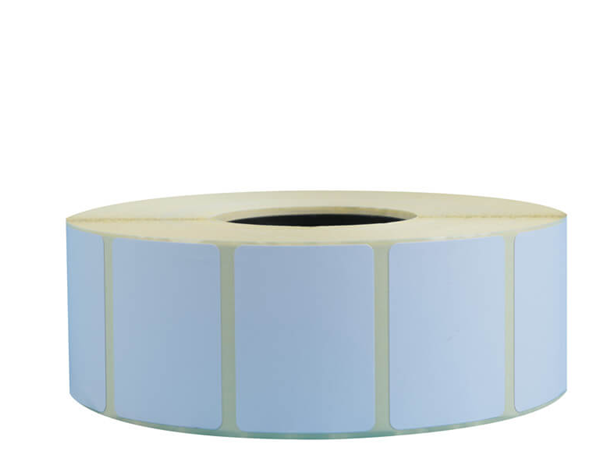
Thermal sticker paper is a specialized type of thermal paper that has an adhesive backing. This allows it to function as a sticker, making it perfect for labeling and tagging. Unlike standard thermal paper, which is used primarily for printing receipts, thermal sticker paper is used for applications that require a sticky surface, such as shipping labels, barcodes, and inventory tags. The adhesive backing is typically pressure-sensitive, meaning it sticks when pressure is applied, making it easy to use in various settings.
Common Uses of Thermal Sticker Paper
Thermal sticker paper is highly versatile and used in multiple industries:
- Retail and Point of Sale (POS) Applications: Thermal sticker paper is ideal for printing price tags, product labels, and barcodes quickly and efficiently.
- Shipping and Logistics Labels: It’s commonly used for creating shipping labels due to its durability and ability to produce clear, readable text and barcodes.
- Inventory Management: In warehouses and storage facilities, thermal sticker paper is used to label products and shelves, making it easier to track and manage inventory.
Benefits of Using Thermal Sticker Paper
Thermal sticker paper offers several advantages:
- Cost-Effectiveness: Because it doesn’t require ink or toner, thermal printing is often more affordable in the long run.
- Ease of Use: Thermal printers are generally straightforward to use, and thermal sticker paper eliminates the need for separate labels and adhesive materials.
- Durability and Resistance to Fading: Thermal sticker paper is designed to withstand various environmental conditions, ensuring that prints remain legible over time.
Colored Thermal Paper: Adding Variety
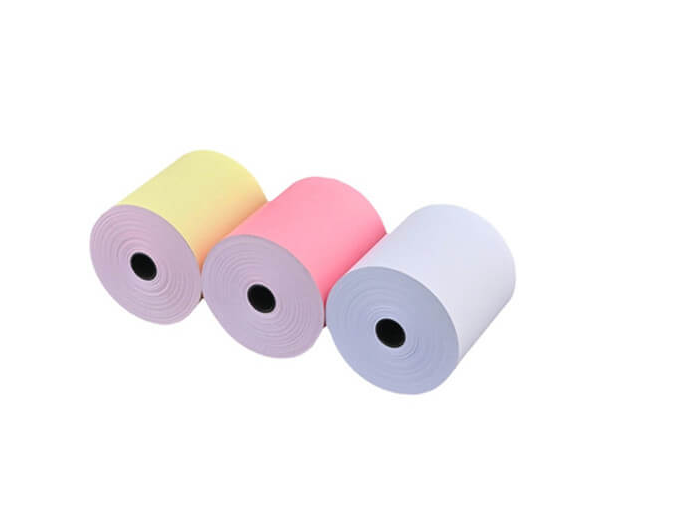
Colored thermal paper adds an extra layer of customization and visibility. It is available in various shades, making it useful for color-coding systems or making labels stand out.
- Applications for Colored Thermal Sticker Paper: This paper is perfect for event ticketing, promotional labels, and any situation where color differentiation is beneficial.
- Benefits of Using Colored Thermal Options: Besides adding aesthetic appeal, colored thermal paper can improve organization and efficiency by allowing quick identification of different categories.
Choosing the Right Thermal Sticker Paper for Your Needs
When selecting thermal sticker paper, consider the following factors:
- Adhesive Strength: Choose paper with strong adhesive backing for applications where labels need to stick securely, such as shipping or outdoor use.
- Paper Thickness: Thicker paper may offer more durability, which is important for labels that will be handled frequently.
- Compatibility with Printers: Ensure the thermal sticker paper is compatible with your specific thermal printer model to avoid issues with print quality.
Environmental Considerations for Thermal Paper
Thermal paper has come under scrutiny due to the presence of chemicals like BPA (Bisphenol A) and BPS (Bisphenol S) in its coating. These chemicals have raised health and environmental concerns.
- Eco-Friendly Alternatives: Look for BPA-free and BPS-free thermal paper options. Some manufacturers now offer thermal paper made from recycled materials.
- Recycling Options: While thermal paper can be challenging to recycle due to its coating, check local guidelines to see if it’s accepted in recycling programs.
Comparing Direct Thermal and Thermal Transfer Printing
Understanding the difference between direct thermal and thermal transfer printing can help you choose the right option:
- Direct Thermal Printing: This method uses heat-sensitive thermal paper directly to create an image. It’s ideal for short-term applications like receipts.
- Thermal Transfer Printing: Involves using a ribbon to transfer ink onto the paper, offering more durable and long-lasting prints. It’s suited for outdoor labels and applications requiring high durability.
How to Store Thermal Sticker Paper Properly
Proper storage of thermal sticker paper is crucial to maintaining its quality and printability.
- Avoiding Heat and Direct Sunlight: Store thermal paper in a cool, dark place to prevent premature activation of the heat-sensitive coating.
- Ideal Storage Conditions: Keep the paper in a low-humidity environment to prevent moisture damage. Store it flat or in its original packaging to avoid curling.
- Shelf Life of Thermal Paper: Most thermal papers have a shelf life of around 3-5 years if stored properly. Always check the manufacturer’s guidelines.
Tips for Maintaining Print Quality on Thermal Sticker Paper
To get the best results from your thermal sticker paper:
- Printer Maintenance and Care: Regularly clean the thermal printhead to avoid dust and debris that can cause print defects.
- Handling and Usage Tips: Handle the paper with clean hands to avoid smudging. Use thermal paper immediately after opening the packaging for the best quality.
- Troubleshooting Common Printing Issues: If prints are faint or inconsistent, check for printhead alignment or replace old thermal paper rolls.
Common Myths and Misconceptions About Thermal Paper
- Misconception: All Thermal Paper Is the Same: There are various grades and qualities of thermal paper, each suited for different applications.
- Myth: Thermal Paper Cannot Be Used for Long-Term Labels: While direct thermal prints may fade over time, using high-quality thermal transfer paper can ensure durability.
- Clarifying Common Misunderstandings: Not all thermal papers contain BPA or BPS. Many manufacturers offer safer alternatives.
Innovations in Thermal Paper Technology
Thermal paper technology is constantly evolving to meet modern demands:
- New Developments in Thermal Paper: Recent innovations include RFID-enabled thermal labels for tracking and smart thermal papers that interact with digital systems.
- Smart Thermal Labels and RFID Integration: These labels can store and transmit data, making them useful in logistics and inventory management.
- Future Trends in Thermal Printing: Expect advancements in eco-friendly thermal paper options and improved durability for long-term applications.
Conclusion
Thermal sticker paper is a versatile and efficient option for various printing needs. Whether you’re using it for retail, shipping, or inventory management, understanding its properties and applications can help you make the right choices. With options like colored thermal paper, you can add a touch of variety to your labeling needs. Remember to consider factors like adhesive strength, compatibility, and environmental impact when selecting your thermal sticker paper. By staying informed and following best practices, you can ensure that your thermal prints are of the highest quality and serve their purpose effectively.